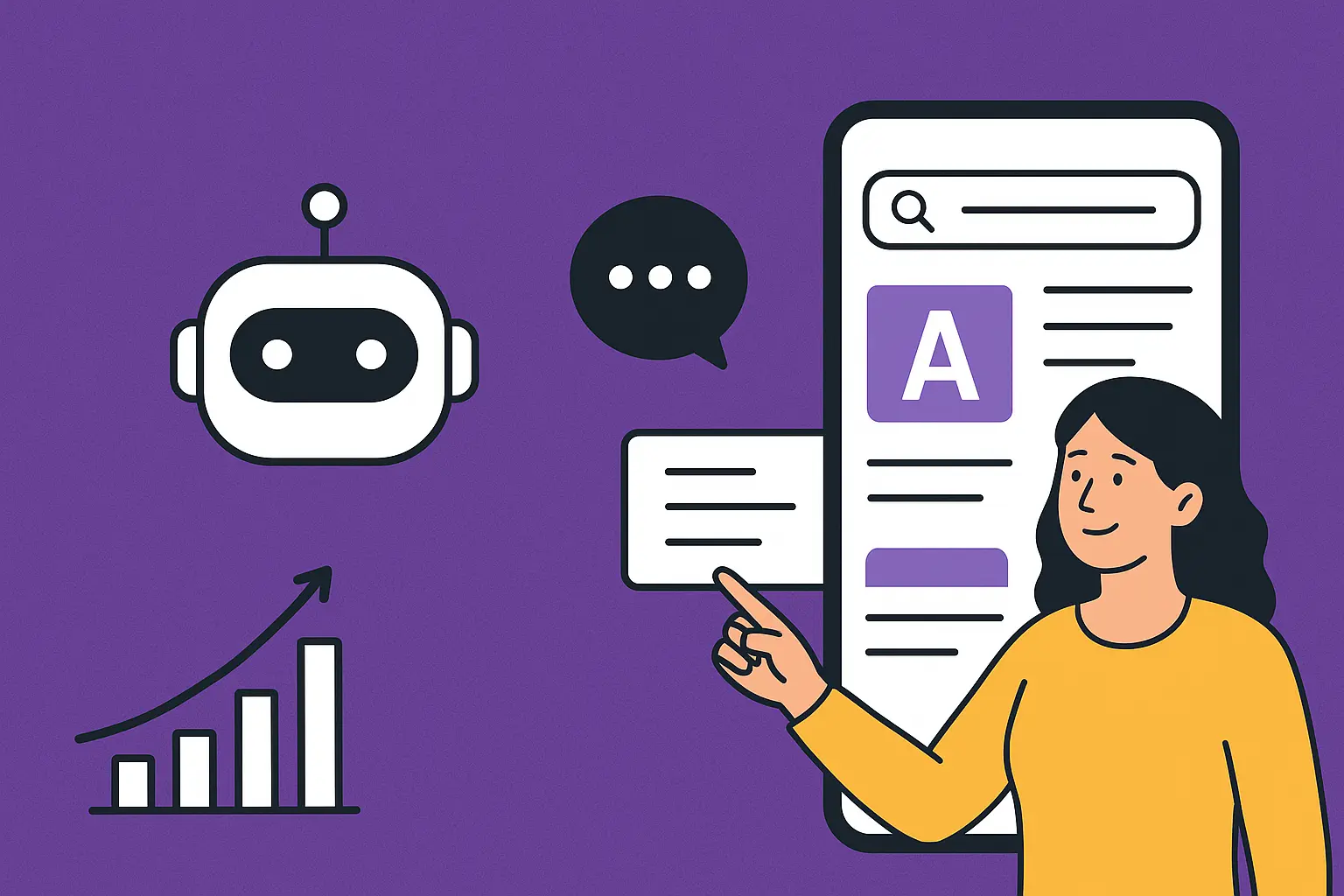
Everything we know about SEO, explained plainly.

A free reference hub — a glossary that skips the jargon, the tools we actually use in client audits, and guides across Technical, Local, Content and AI Search SEO. Bookmark it; we keep it updated.

AI-POWERED SEARCH

How algorithms are getting smarter

Google and AI assistants now reason in entities and intent, not just keyword matches — which changes what “optimized” content actually looks like. See AI Search Optimization.

CORE WEB VITALS

Why user experience is king

Load speed, responsiveness and visual stability are ranking signals in their own right, and the single most common reason otherwise-strong pages underperform. See Technical SEO.

LOCAL & VOICE SEARCH

Preparing for conversational queries

“Near me” and voice-style questions are more conversational and more local than typed keywords, and reward businesses with a complete, trustworthy profile. See Local SEO.

Glossary

SEO terms, in plain English

The words you’ll actually run into in an SEO conversation or audit report — defined without the jargon.

E-E-A-T

Experience, Expertise, Authoritativeness and Trust — the signals Google and AI systems use to judge whether content is credible enough to rank or cite.

Core Web Vitals

Google’s three page-experience metrics: Largest Contentful Paint (loading speed), Interaction to Next Paint (responsiveness) and Cumulative Layout Shift (visual stability).

GEO / AEO

Generative Engine Optimization / Answer Engine Optimization — structuring content and entity signals so AI systems like ChatGPT and Google AI Overviews cite a source directly.

Crawl Budget

The number of pages a search engine’s crawler is willing to fetch from a site within a given period, based on the site’s size, health and authority.

NAP Consistency

Keeping a business’s Name, Address and Phone number identical across its website, Google Business Profile and every directory listing — a core local SEO trust signal.

Topical Authority

The depth of proven expertise a site demonstrates on a subject, built through interlinked clusters of content rather than isolated, unrelated pages.

Zero-Click Search

A search query fully answered on the results page itself — via a featured snippet or AI Overview — without the user ever clicking through to a website.

Canonical Tag

An HTML tag that tells search engines which version of a duplicate or near-duplicate page should be treated as the “original” for ranking purposes.

Keyword Cannibalization

When two or more pages on the same site target the same keyword, splitting ranking signals and authority between them instead of concentrating it on one page.

Schema Markup

Structured data code added to a page that explicitly tells search engines and AI systems what the content means, enabling rich results like star ratings or FAQs.

Tools we use

Free and paid tools worth bookmarking

The same tools we reach for in client audits — most have a genuinely useful free tier.

Free · Google

See exactly how Google crawls and indexes your site, which queries you rank for, and Core Web Vitals data straight from real user data.

Free · Google

PageSpeed Insights

Run any URL through Lighthouse to get a Core Web Vitals score and a prioritized list of what’s slowing the page down.

Free · Google

Rich Results Test

Validate your schema markup and preview exactly how a page could appear as a rich result before you publish it.

Free tier

Screaming Frog

Crawl up to 500 URLs free to audit titles, metas, redirects, broken links and canonical tags across a site.

Paid

Ahrefs / Semrush

Keyword research, backlink analysis and full site audits — the industry-standard toolkits for competitive SEO work.

Free · Google

Google Business Profile Manager

The single highest-leverage tool for local SEO — manage your map pack listing, reviews and posts directly.

Go deeper

Read the full guide for each discipline

Each of these breaks down one part of the organic growth system in full detail.

Latest from the blog

Frequent questions

Is this resource hub really free to use?
Yes, entirely. No email gate, no signup — the glossary, tool list and guides are here to be useful whether or not you ever become a client.
We review it whenever a term, tool or platform in the SEO or AI search landscape changes enough to matter — realistically every few months, plus whenever we publish something new on the blog.
Start with the glossary above to get comfortable with the vocabulary, then read our Technical SEO guide — it covers the foundation everything else depends on.
Yes. Everything listed in the tools section is part of our actual audit process for clients — this page just makes the same toolkit available to anyone.
Absolutely — reach out through our contact form and we’ll consider it for the next update.